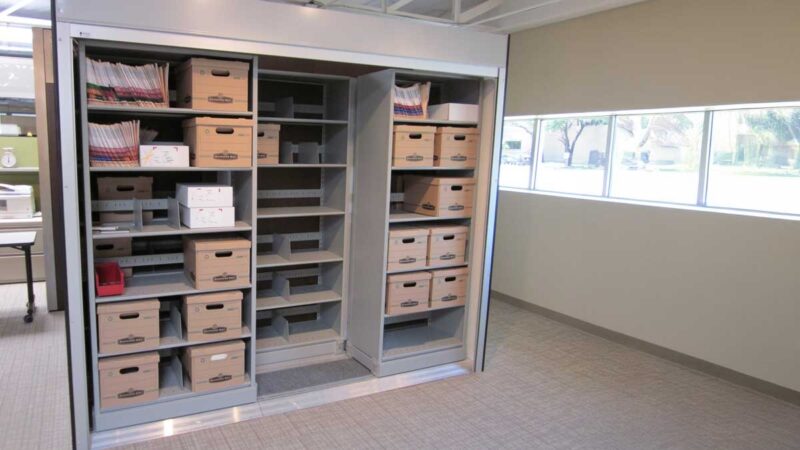
Managing physical documents remains essential for many organisations, even as digital systems expand. Contracts, personnel files, financial records, and compliance documents often need to be stored securely, accessed efficiently, and retained for defined periods. File box storage solutions provide a practical way to organise, protect, and manage paper records without overcrowding offices or risking document loss.
Why file box storage is still critical for businesses
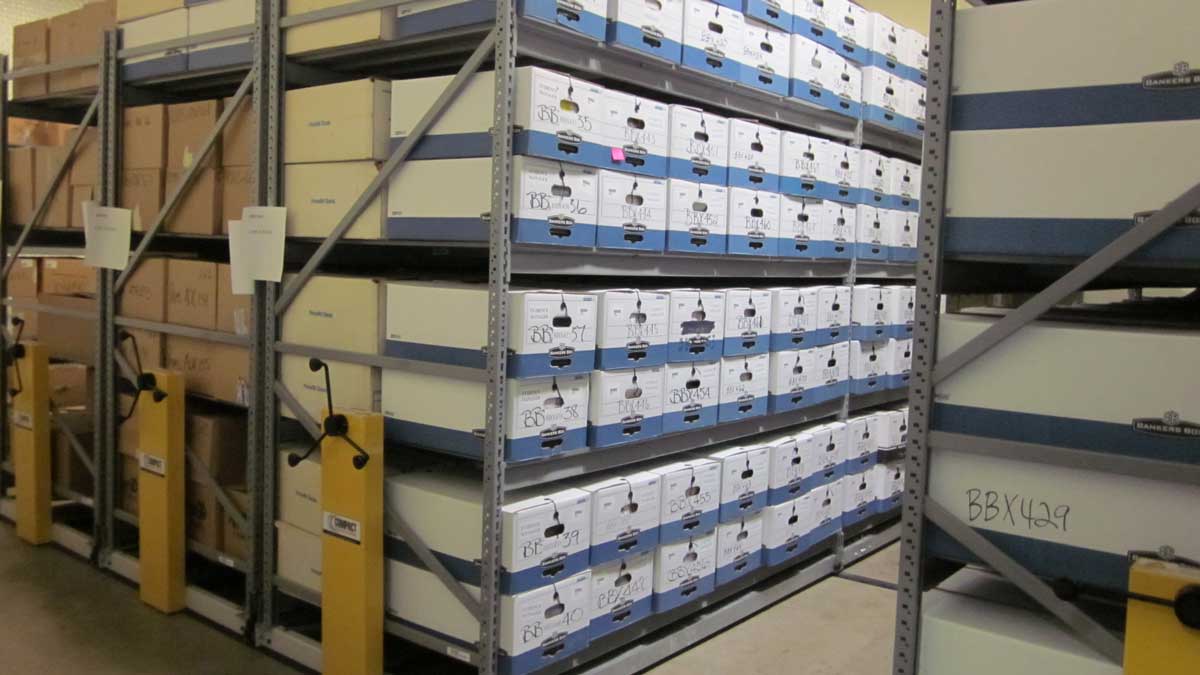
Many organisations choose offsite and structured storage to reduce clutter and improve control, and teams that contact Archive Management for administrative storage often do so to ensure records are protected, indexed, and accessible when needed.
File box storage offers a consistent method for grouping related documents, applying retention rules, and maintaining a clear audit trail. Properly labelled and catalogued boxes make retrieval faster and reduce the risk of misfiling sensitive information. This is particularly important for legal, financial, healthcare, and government records where compliance and confidentiality are non negotiable.
Key features of effective file box storage solutions

Effective storage starts with durable, standardised archive boxes designed to protect documents from dust, light, and handling damage. Quality boxes support stacking without crushing contents and are sized to fit shelving systems commonly used in professional storage facilities. Consistent box sizing also improves space utilisation and inventory accuracy.
Indexing and tracking are just as important as the boxes themselves. Each file box should be linked to a catalogue that records contents, date ranges, ownership, and retention requirements. This allows organisations to locate records quickly without manual searching. Secure access controls and documented retrieval processes help ensure only authorised personnel can request or view sensitive records.
Offsite storage benefits for administration and compliance
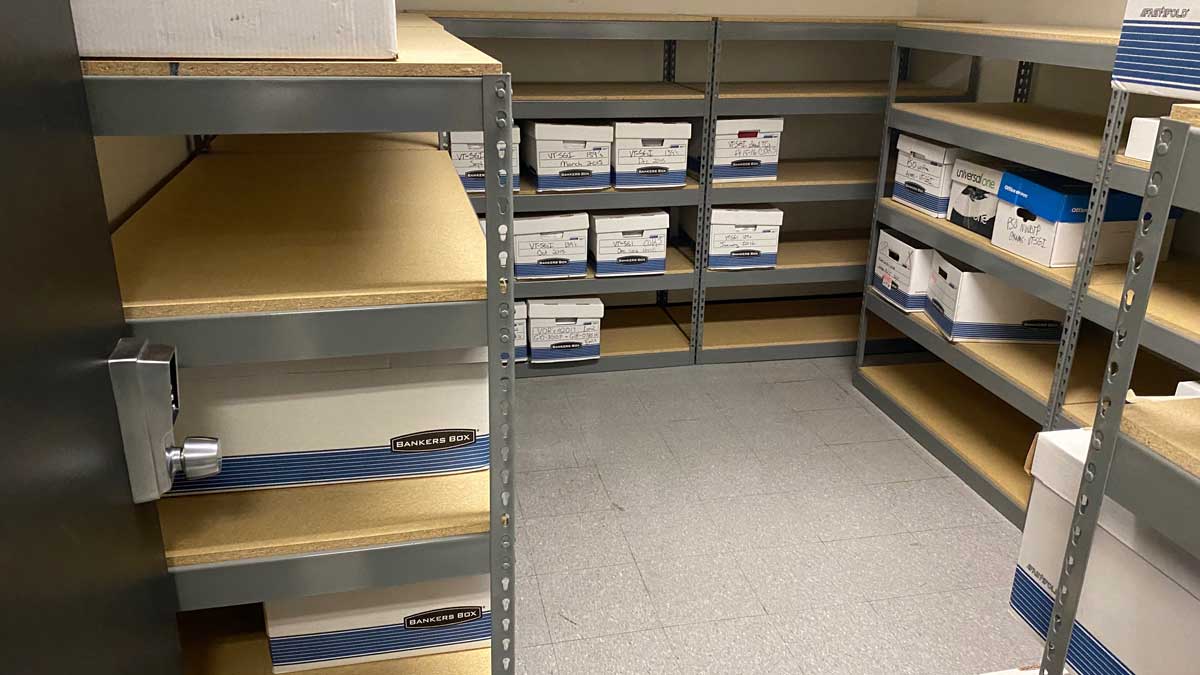
Offsite file box storage frees up valuable office space and reduces the cost of maintaining onsite filing rooms. By relocating inactive or semi active records, organisations can focus office areas on productive work rather than storage. Professional facilities are designed for long term preservation, with environmental controls and security measures that exceed typical office conditions.
Compliance is another major benefit. Many industries require records to be retained for specific periods and destroyed securely at the end of their lifecycle. Structured storage programs support retention scheduling, legal holds, and compliant destruction, reducing the risk of keeping records too long or disposing of them too early. Clear reporting also supports audits and regulatory reviews.
Integrating physical storage with digital records management
Modern records management often combines physical and digital systems. File box storage can be integrated with scanning services so frequently accessed documents are digitised while originals are retained securely. This hybrid approach improves access speed while preserving original records for legal or operational reasons.
Linking digital indexes to physical box locations allows staff to request retrieval or viewing without needing to know storage layouts. Over time, this approach supports gradual digitisation without forcing immediate, large scale conversion projects that can disrupt operations.
Conclusion
File box storage solutions remain a reliable and compliant way to manage documents and records across their lifecycle. With durable containers, clear indexing, secure facilities, and integration with digital systems, organisations can protect information, reduce office clutter, and meet regulatory obligations while keeping records accessible when they are needed.