
Matching a client with the perfect cruise vacation is one of the most valuable skills a travel professional can develop. Cruises are not one size fits all. The ideal sailing depends on lifestyle, budget, travel style, and expectations. When done correctly, the result is a happy client, repeat bookings, and strong referrals. This guide explains how to confidently pair clients with cruise experiences that truly fit their needs.
Start with the right discovery questions

The foundation of a perfect cruise match is asking the right questions early. Instead of jumping straight to ships or destinations, focus on understanding the traveler. Ask who is traveling, their ages, previous cruise or travel experience, and what they want most from the vacation.
Some clients want relaxation and quiet spaces, while others want nonstop activities and entertainment. Families may prioritize kids clubs and flexible dining, while couples may care more about dining quality and adult only areas. Budget expectations are also critical. A cruise that feels affordable to one client may feel stressful to another.
Taking time during the discovery phase prevents mismatched expectations later. A clear understanding of travel goals allows you to guide the client instead of overwhelming them with options.
Match cruise lines to lifestyle and priorities
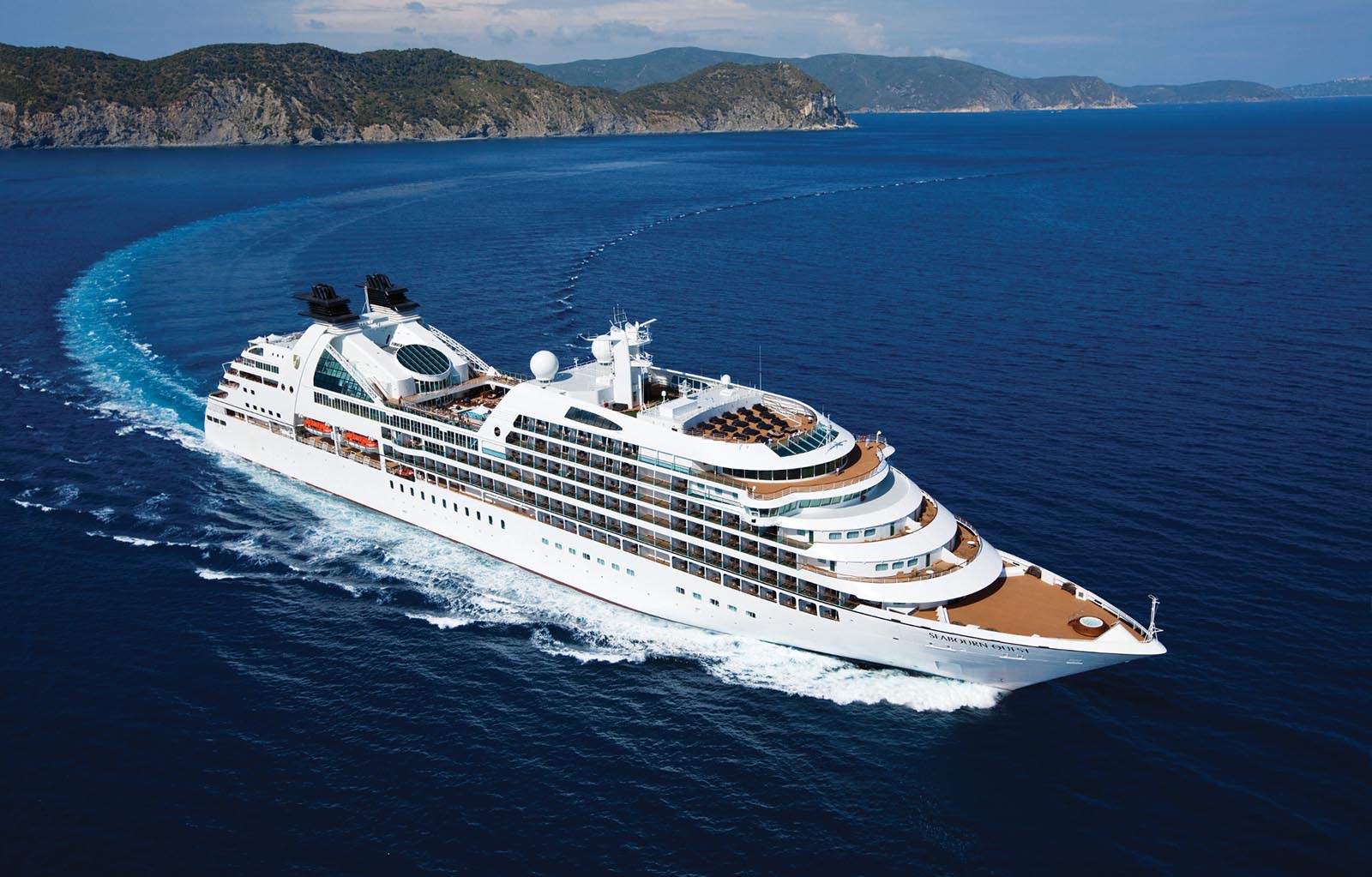
Each cruise line has a distinct personality. Matching that personality to the client is key. For example, some lines focus on luxury and refined experiences, while others emphasize casual fun, large ships, and entertainment.
Families with young children often prefer cruise lines with structured kids programs, character experiences, and family friendly entertainment. This is why many agents choose to become a Disney travel agent, as Disney cruises are designed specifically for families seeking immersive experiences, themed activities, and consistent service quality. On the other hand, adult travelers may prefer lines that offer quieter atmospheres, enrichment programs, or destination focused itineraries.
Ship size also matters. Larger ships offer more activities and dining options but can feel crowded to some travelers. Smaller ships provide intimacy and unique ports but fewer onboard amenities. Understanding these differences helps narrow choices quickly.
Align itineraries, ports, and onboard experience

Destinations play a big role, but how a cruise visits those destinations matters just as much. Some clients want full days in port with cultural exploration, while others enjoy scenic cruising days and sea time.
Short cruises are ideal for first timers or families with limited vacation time. Longer itineraries appeal to experienced cruisers who want deeper exploration. Caribbean cruises attract travelers looking for easy relaxation, while European or Alaskan cruises appeal to those interested in scenery and history.
Onboard experience should match the itinerary. Adventure focused destinations pair well with ships that offer educational programs or expert lectures. Relaxation focused routes work best with ships that emphasize spa experiences and leisure.
Conclusion
Matching clients with the perfect cruise vacation requires listening, education, and thoughtful guidance. By understanding client lifestyles, aligning cruise line personalities, and presenting clear options, travel professionals can create unforgettable experiences. When clients feel truly matched to their cruise, everyone wins